
The horror genre for movies and books has transformed considerably in modern times as compared to the past. Before we go in-depth into this topic, it’s best that we start with a short explanation of what the horror genre is really about. At its heart, horror is made to create a sense of fear and dread in people through various means. Horror experts of the past were able to use subtlety, suspense, and psychological tricks to their best effect. Newer horror works tend to rely more on overt methods to scare their audiences.
Old horror classics depended upon their insight into the human character and psyche to build suspense. Bram Stoker's Dracula was not scary because of the vampire himself and the horrific deeds that followed. Dracula created suspense and foreboding through the risk of the vampire bite. The heroes faced the constant threat of being converted into a monster like Dracula. The vampire bite simply functioned as the catalyst, the metaphorical key to the lock that individuals in Victorian culture placed upon their darker urges. Actually, classic horror books relied greatly on the exploitation of anxiety and stress regarding the darker edges of humanity and broader society in order to scare their viewers.
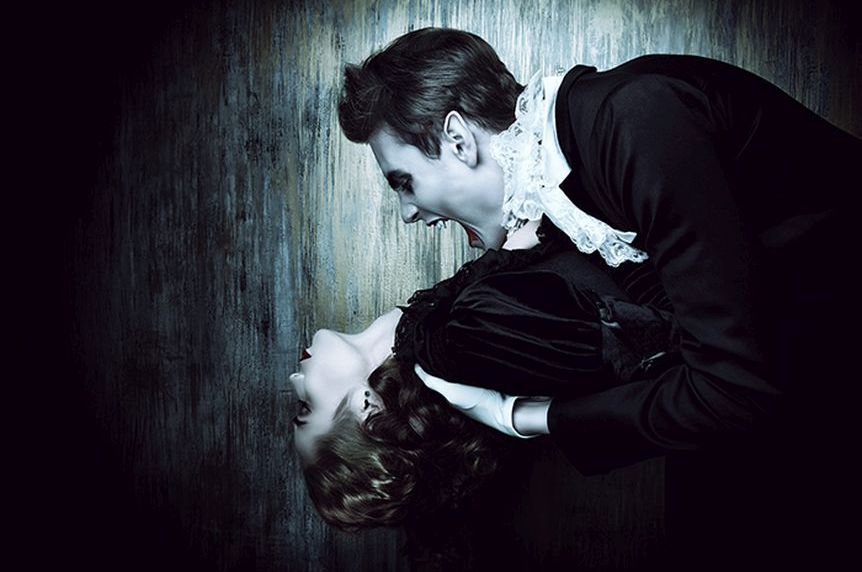
However, as people became increasingly desensitized to violence over time, anxiety and stress became harder to create through the written form. As the press started to develop and more folks recognized the depths and the horrors their fellow humans were capable of, then it wasn’t a surprise that the monsters, which were Dracula, Frankenstein's monster, and Mister Hyde, appeared less horrifying. This is the situation when the murders perpetrated by Jack the Ripper made its way into the consciousness of the overall British general public, as the dreadful killer executed horrific crimes which were debased, even by the standards of Shelley's or Stoker's classics.
Two later experts of horror, Edgar Allan Poe and H.P. Lovecraft, relied more on worries of the unknown and what darkness lied beyond that threshold. Of both, Poe was the more delicate master. His mind had a keen grasp of American horror, deftly wielding the tools inherited from his Victorian predecessors. He relied heavily on the idea of falling victim to unfortunate events that fell outside of one's control, which he expertly combined with very real risk of death. On the other hand, Lovecraft used the idea of mankind seeking knowledge that he shouldn't explore. Lovecraftian horror is a small but powerful sub-genre that tries to show the futility of human effort and uses the idea of extreme search for knowledge as a tool for terror. Whereas Poe frightened by reminding individuals that they knew less than they thought they did, Lovecraft achieved the same impact by showing people the results of meddling with things that man had not been designed to know.
As the present day era strolled on, anxiety and stress quickly lost the focus of horror experts. This is especially true with the advent of films, which relied more on gore and blood to elicit cheap thrills out of their audience. In the present day period, Hollywood horror has used two unique directions - one for the literary scene and the other for the film industry.
 For literature, modern horror novels have a tendency to focus more on personal horror, wanting to call upon the reader's fears against the idea of becoming the monster within the books, as best exemplified by the works of Anne Rice's previous installments in The Vampire Chronicles. However, that also made the intended monsters too easily sympathetic to the readers because personal horror concentrates almost completely on the monster within the person. On the other hand, films took a far more brutish path, using as much blood, gore, and violence as possible. Unfortunately, this is barely an effective replacement for true horror because cheap screams and thrills can only do so much.
You'll also find many good ideas that differentiate Asian horror from the traditional western types of horror many people are familiar with.
Asian horror is usually a potpourri of elements from the many horror styles. However, unlike Hollywood horror, Asian horror books are a lot more refined and psychological. For instance, in the film Battle Royale, the true horror comes not in the fights and the struggle to survive, but in the fact that, just moments prior to the start of the book, the people who were killing each other had called one another friends. Personal horror and gore are also depicted in a less visual manner, limiting what the audience sees of an antagonist's torment and exactly how much blood is shown onscreen. Finally, Asian horror typically makes good use of the supernatural and the unfamiliar, effectively creating an air of mystery and a sense of the unknown, as best exemplified by the visual book Tomie and the Ring series of novels.
The sense of fear and dread of the unknown is something that is universally understood. Whether in the form of books or film, as more and more people turns to horror and become fans of the genre, there is certainly hope for the future.
Are you a fan of the horror genre? Share in the comments down below!